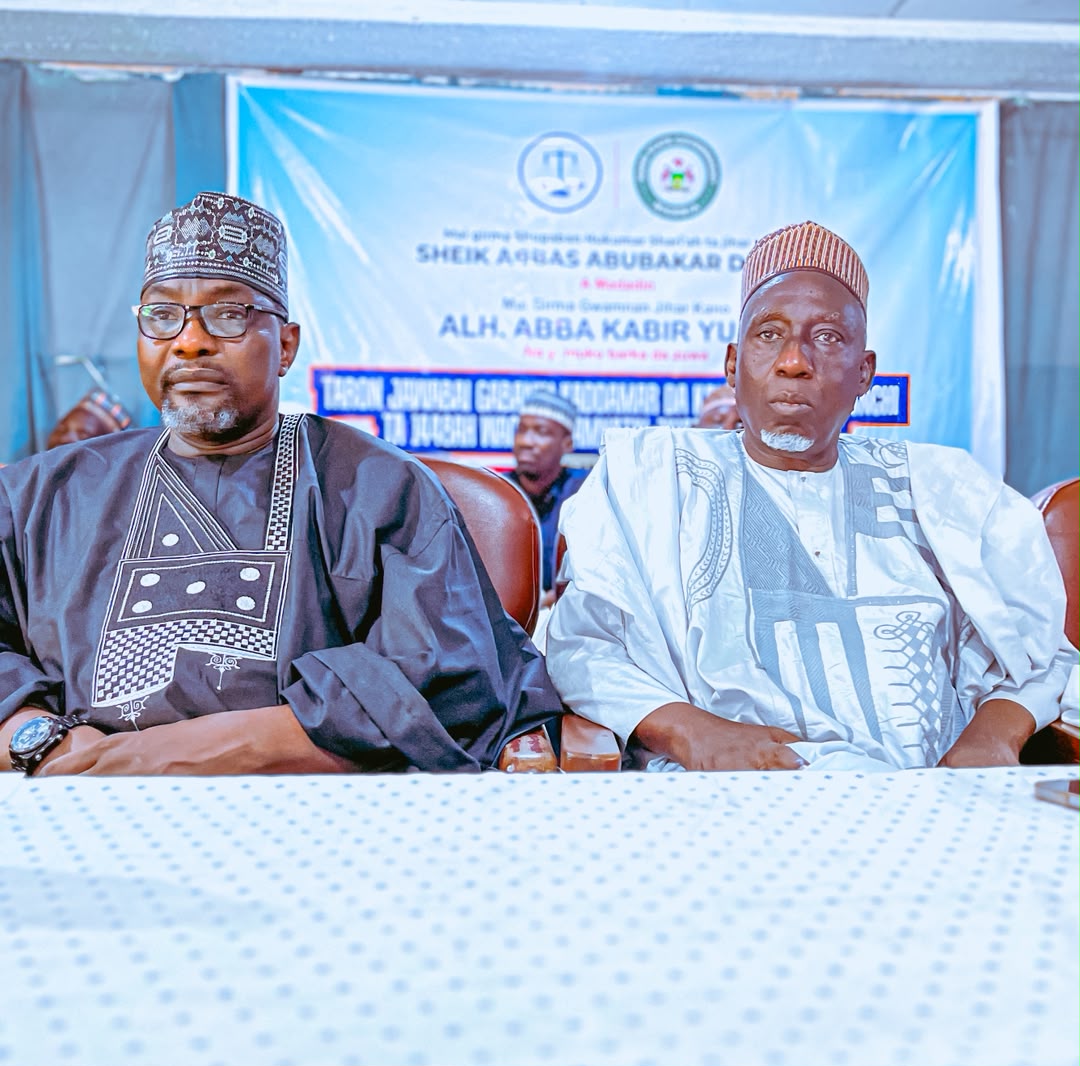
The Kano State Sharia Commission has organized a sensitization programme to educate the public on the importance of the Islamic calendar, which was sponsored by the Kano State Government to promote greater understanding of the Hijri calendar and its significance to Muslims.
The programme focused on the important role the Islamic calendar plays in organizing religious activities and other aspects of Muslim life, particularly in determining the periods for fasting, Hajj, Eid celebrations and other acts of worship.
The Second Commissioner of the Kano State Sharia Commission, Sheikh Ali DanAbba, disclosed this while briefing journalists on the purpose of the programme and the significance of the Islamic calendar.
Sheikh Ali DanAbba explained that the Islamic calendar is not merely a system for counting dates, but an important means through which Muslims organize and observe major religious activities.
He noted that understanding the Hijri months and dates is particularly important because several major acts of worship and Islamic occasions are directly linked to the Islamic calendar.
The Commissioner further said the decision by the Kano State Government to sponsor the production of the calendar demonstrates its commitment to supporting religious affairs and ensuring that the public has access to accurate information about important Islamic dates.
Speaking at the event, Malam Ibrahim Falaki, who presented a paper on the subject, gave a detailed explanation of the history of the Islamic calendar, its origins and its importance to Muslims.
Malam Ibrahim Falaki explained that understanding the Islamic calendar helps Muslims observe religious obligations appropriately and appreciate important events in Islamic history.
He called on Muslims to attach greater importance to the Hijri calendar and use it in planning important aspects of their lives, particularly matters relating to religious activities.
He also emphasized the need to educate young people and the wider public about the Islamic calendar in order to preserve Islamic knowledge and promote a better understanding of the religion.
The programme was attended by Islamic scholars, officials of the Sharia Commission and other stakeholders, who emphasized the need for continued public enlightenment on the importance and proper use of the Islamic calendar.